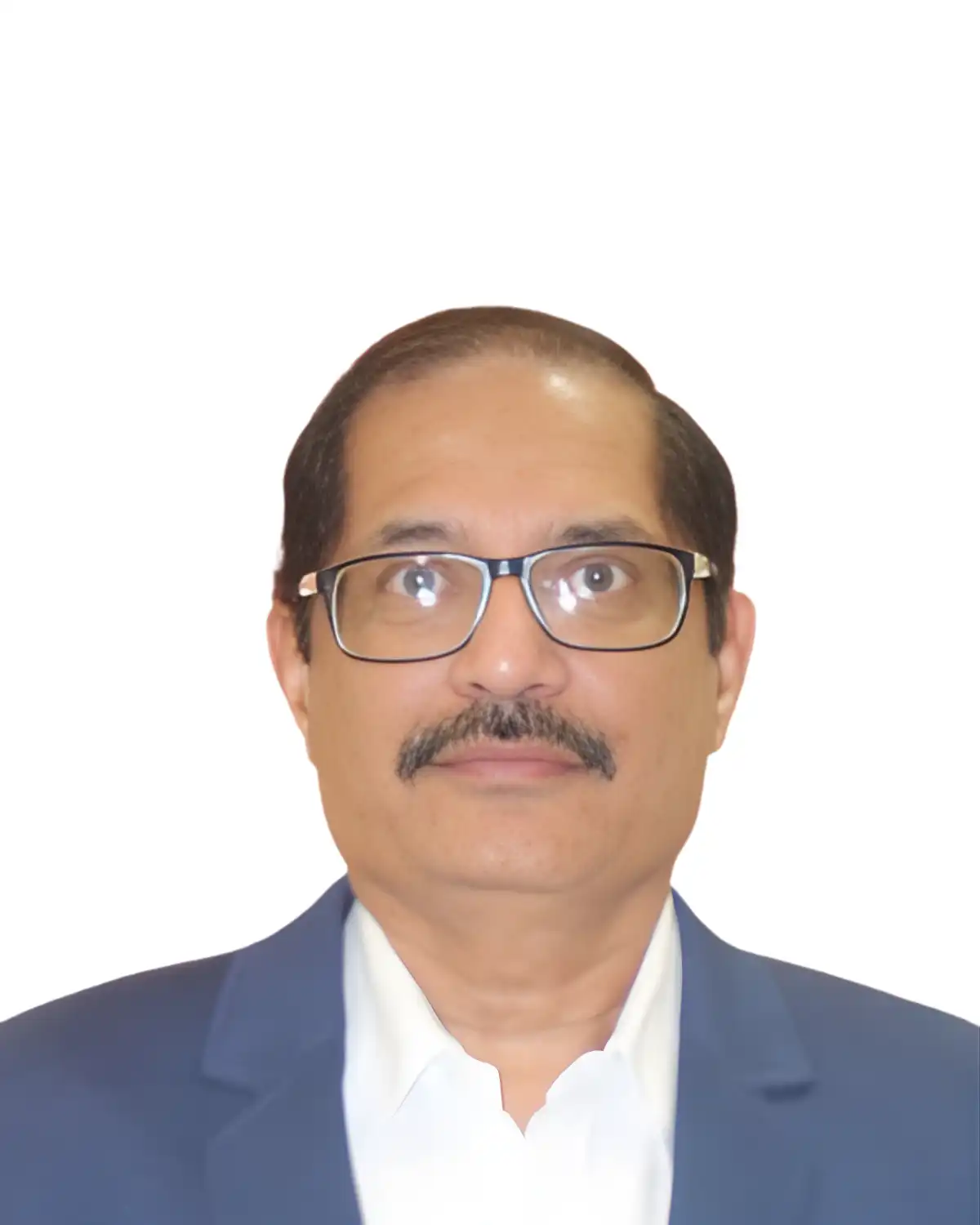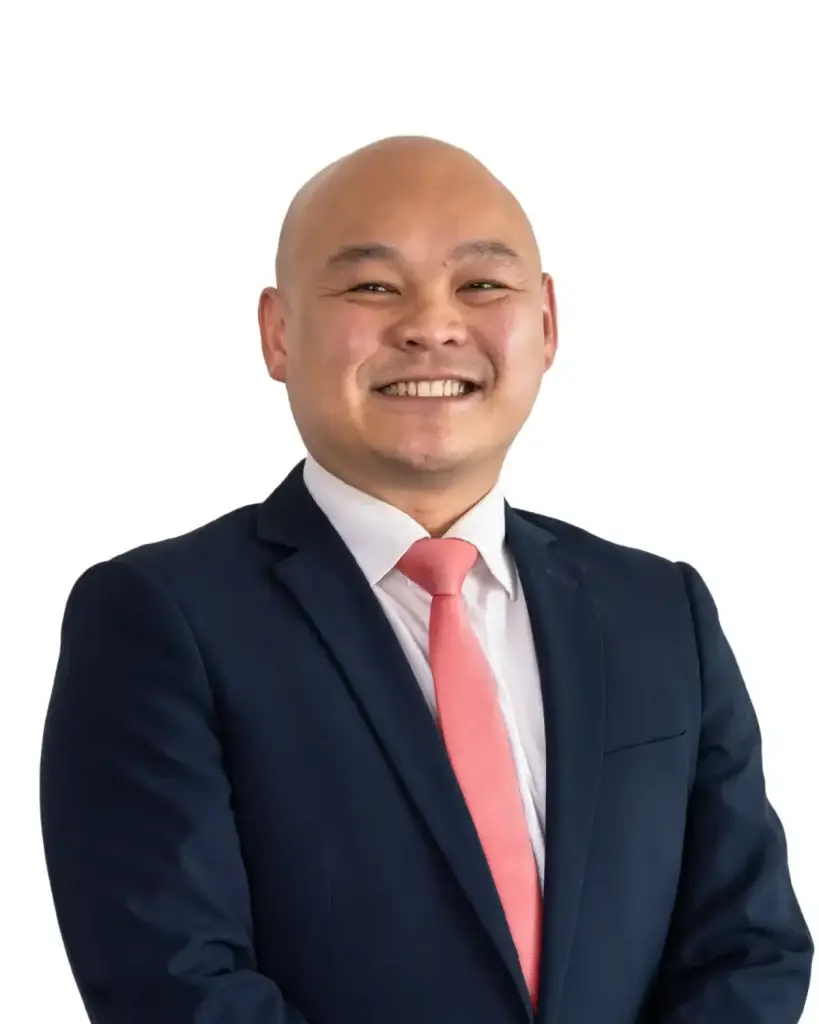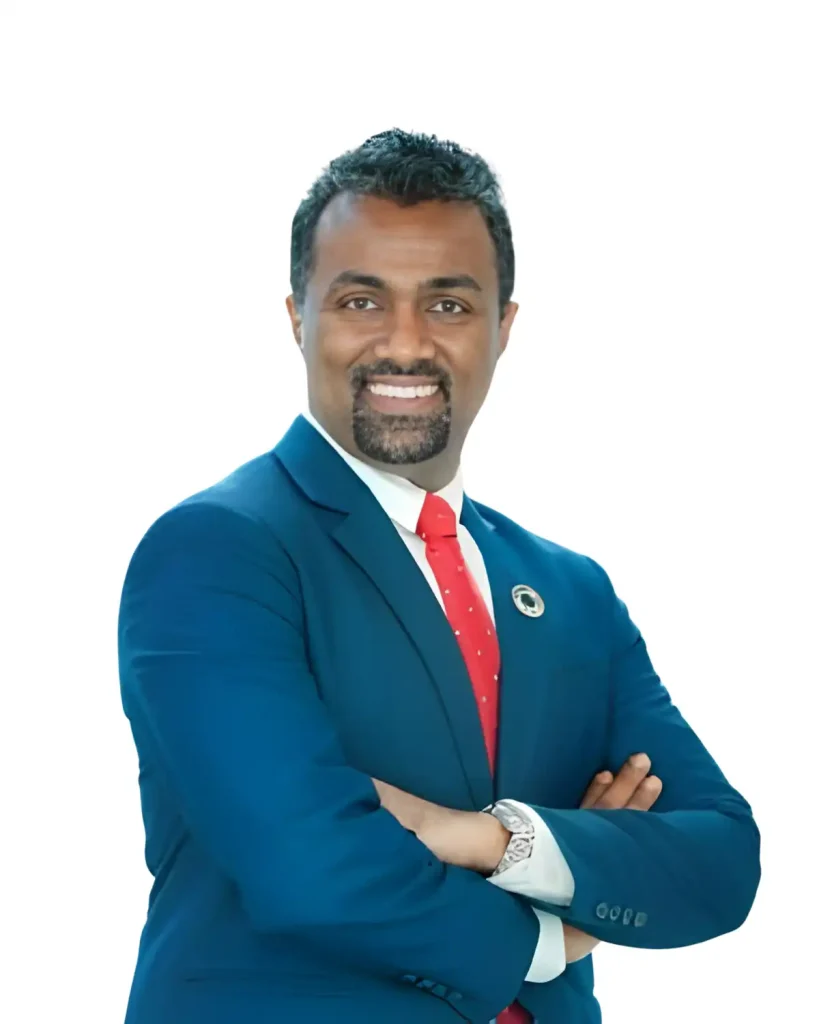
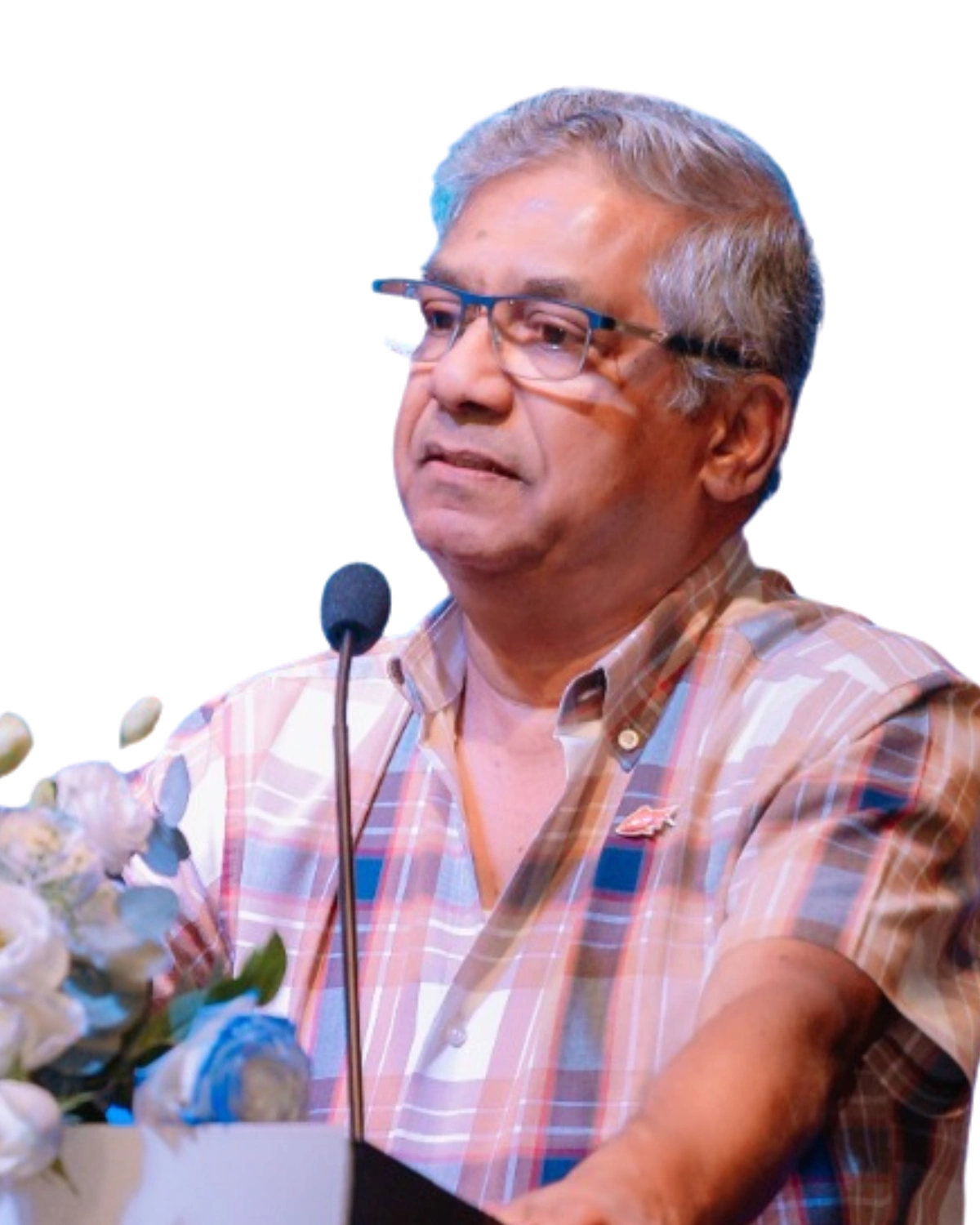
The 13th International conference on fisheries and aquaculture (ICFA) 2026 is driven by an esteemed Conference Committee comprising Conference Chairs, Steering Committee members, and a distinguished Scientific Committee. Together, they provide the academic leadership that shapes the vision, quality, and global impact of this premier Fisheries and Aquaculture Conference.
Our committee members are leading experts in the fields of fisheries and aquaculture, ensuring that Fisheries Conference 2026 delivers high quality research, high-quality scientific sessions, and meaningful global perspectives. From guiding the conference theme to curating tracks and reviewing submissions, the committee ensures excellence at every stage.
Through their leadership, ICFA continues to stand out as a leading International Conference on Fisheries and Aquaculture, fostering innovation, collaboration, and evidence-based solutions for a sustainable future.

Honorary Life Member of the World Aquaculture Society Honorary Life Member of the Asian Fisheries Society Past President of the World Aquaculture Society – Asia Pacific Chapter (WAS-APC). Retired Chief of FAO Aquaculture Service Co-founder and Director, FUTUREFISH Co. Ltd., UK
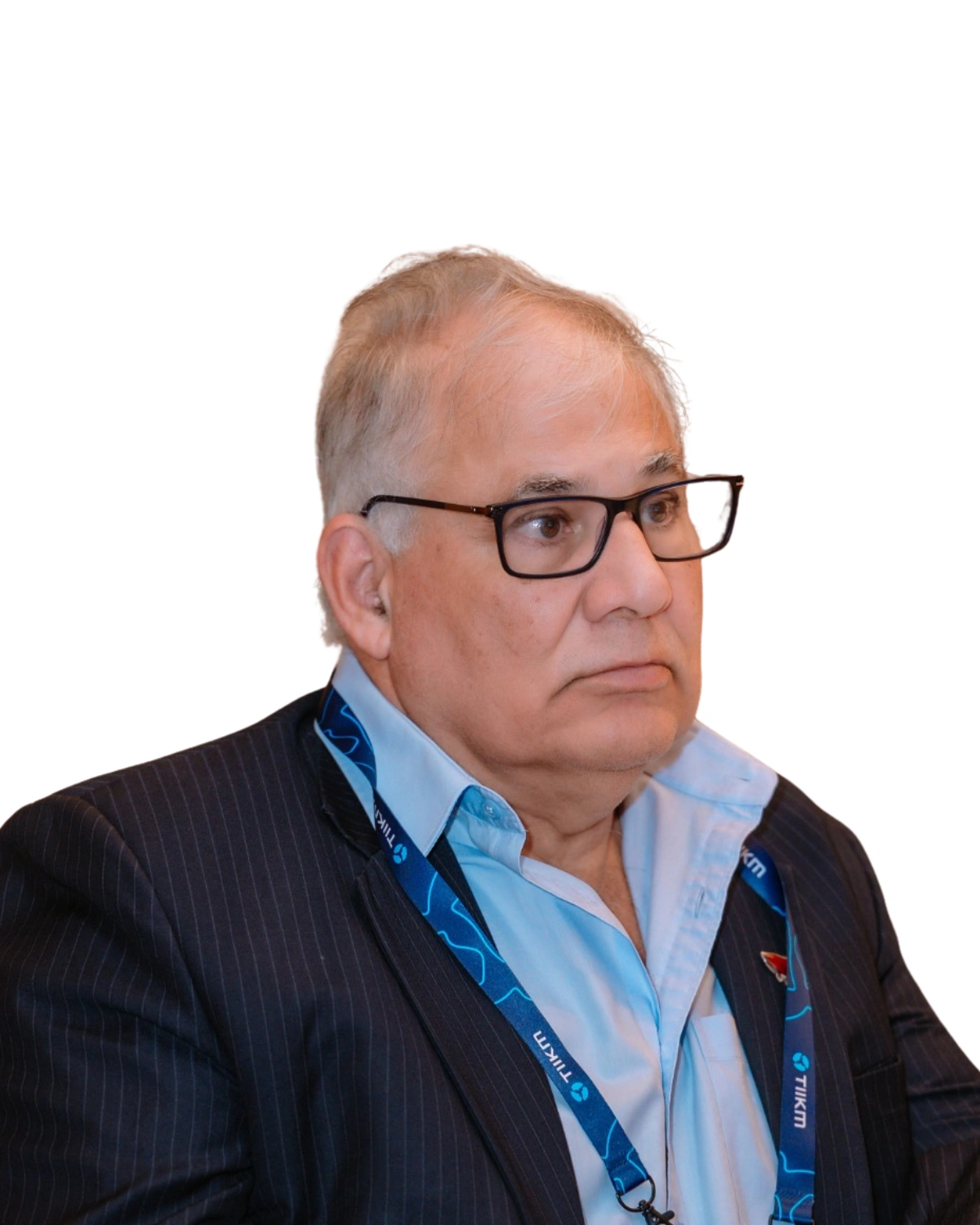
Rohana Subasinghe is a specialist in aquaculture development and aquatic animal health management. He retired from FAO in October 2015, while serving as the Chief of the Aquaculture Brach. Since his graduation in 1980 from the University of Colombo, Sri Lanka, he has worked in all parts of the world, with most experience in Asia. He joint FAO in 1994 and took responsibility in implementing many projects on aquaculture and aquatic animal health at national, regional and international levels worldwide until his retirement. Among others, at FAO, he was also responsible for analyses of trends in aquaculture development globally.
A former teacher of the University of Colombo and the Universiti Putra Malaysia, Rohana earned his PhD from Stirling University. Rohana is a strong advocate of sustainable aquaculture and its significant contribution to poverty alleviation and food and nutrition security. His passion is to empower people engaged in small-scale aquaculture value chains. He supports responsible certification of aquaculture and is also responsible for developing the globally approved FAO technical guidelines on aquaculture certification. He served as the Technical Secretary to the Sub-Committee on Aquaculture of the Committee on Fisheries of the FAO, the only global inter-governmental forum on aquaculture. His spearheaded the development of a global partnership for aquaculture development in FAO, particularly addressing the need for a concerted effort to ensure future aquaculture development will become increasingly socially acceptable, environmentally sustainable, and responsibly managed. Rohana is still active in the field of fisheries and aquaculture, currently extending his years of experience and expertise, as a consultant, to many agencies and institutions worldwide.

Professor of Aquaculture and International School Coordinator School of Molecular and Life Science/Faculty of Science and Engineering Curtin University Malaysia
Ravi has first-hand experience in dealing with all aspects of aquaculture sustainability issues, including production, environmental impacts, post-harvest handling/processing, value addition/quality assurance of seafood (SQF – Safe Quality Food), international marketing, value chain management, and project management.
Ravi’s expertise is in production biology of aquaculture species, which is enforced by his research on aquaculture nutrition. He has an extensive network of partnerships with Asian research agencies and commercial companies, which facilitates evaluation and upgrading of the aquadiets and use of biotechnological innovations in aquaculture. Ravi’s continuous partnerships with both domestic and international aquaculture industries and research agencies, complements his involvements in consultation, research and development activities..
Ravi has experience in working with multinational companies (San Miguel, Philippines; CP, Thailand; Frigoscandia, Sweden; Neptune Fisheries, USA and Tata Exports Ltd, India) participating in aquaculture and seafood processing businesses. His role in these companies has ranged from technical advisor to business development.
Ravi has skills in planning, designing and establishing commercial hatcheries and grow-out systems for Chinese and Indian major carps, milk fish (Chanos. chanos), mullets (Mugil spp.), sea bass (Lates calcarifer) and red tilapia (Tilapia nilotica), black tiger shrimp (Penaeus monodon), giant freshwater prawn (Macrobrachium rosenbergii), mahi mahi (Coryphaena hippurus), cobia (Rachycentron canadus), groupers (Epinephelus spp.) and polyculture of freshwater prawns and milkfish and inland saline water aquaculture in Australia and India. As a consultant, Ravi has prepared several techno-economic feasibility reports for the integrated shrimp farming projects and polyculture of freshwater prawns.
https://staffportal.curtin.edu.au/staff/profile/view/ravi-fotedar-f16af9ff/

Associate Professor and Chair, Aquaculture and Aquatic Resources Management (AARM), Asian Institute of Technology (AIT), Thailand; Immediate-Past President of the World Aquaculture Society – Asia, Pacific Chapter (WAS-APC)
Dr. Krishna. R. Salin has been active in the aquaculture industry as a researcher, entrepreneur, and academic for over 22 years. He is currently an Associate Professor, teaching/supervising postgraduate students, and coordinating the Aquaculture and Aquatic Resources Management (AARM) Program at Asian Institute of Technology (AIT), Thailand as its Chair.
His current research focus is on innovative aquaculture technologies, applied genetics for stock improvement, and hatchery management of fish and shrimp. His research experience includes development of novel biofloc technologies for finfish and shellfish, genetic diversity studies on Indian and Sri Lankan prawns (Endeavour Award, Govt. of Australia – postdoctoral research at QUT, Brisbane); characterization of growth-promoting genes in farmed prawns (CREST Award, Department of Biotechnology, Govt. of India – Visiting Fellow at QUT, Brisbane); innovative aquaculture technologies for water conservation and safe discharge of effluents from shrimp farming (DST, India); and genetic characterization and stock improvement of tilapia in Thailand (AIT).
Dr. Salin is a Technical Consultant or Hon. Advisorto several national and international organizations (Ananda Group, India; Msingi East Africa; and Organic Sensus, Germany, among them). Current projects/assignments include the ERASMUS+ GeoServices-4-Sustainability (2015-18), co-funded by the European Commission; and Sustainable Aquaculture Development for East Africa, funded by DFID, UK. He has also organized a series of international workshops, conferences, and capacity building programs on aquaculture at AIT. He is a Visiting Professor at the Shanghai Ocean University, China; and Universidad Juárez Autónoma de Tabasco (UJAT) – one of the biggest public universities in Mexico; and Associate Editor of the Journal Fisheries and Aquatic Sciences, published by Springer Nature; and Aquaculture and Fisheries, published by Elsevier.

Vice Chairman of Indonesia Aquaculture Society Lecturer at the Jakarta Technical University of Fisheries Ministry of Marine Affairs and Fisheries, Indonesia
Dr. Romi Novriadi, S.Pd.Kim., M.Sc. is an Associate Professor at the Jakarta Technical University of Fisheries (Politeknik Ahli Usaha Perikanan) and a leading expert in aquaculture nutrition and fish health management. With a Ph.D. in Aquaculture Nutrition from Auburn University (USA) and a Master’s degree from Ghent University (Belgium), he has extensive academic and field experience in aquafeed technology, shrimp farming systems, functional feed development, and sustainable aquaculture practices. Dr. Novriadi has held key leadership positions including Vice Chairman of the Indonesia Aquaculture Society and former Director of the World Aquaculture Society – Asia Pacific Chapter. He currently serves as Editor-in-Chief of the Indonesian Fisheries Research Journal and Associate Editor of the Journal of Applied Aquaculture. As International Relations Coordinator at his university, he promotes global academic collaborations and student exchanges. His work bridges science, education, and industry to improve aquaculture productivity and sustainability in Indonesia and beyond.

Professor of Aquaculture Università Politecnica delle Marche, Ancona, Italy
Professor Ike OLIVOTTO is a Professor of Aquaculture at the Università Politecnica delle Marche, Ancona, Italy. He is author of more than 100 indexed papers related to aquaculture and he has participated to many national and international conferences.
Since years, his main research areas are related to fish welfare and development in relation to sustainability. More specifically professor Olivotto is involved in projects testing new and sustainable aquafeed ingredients like insect meal and single cell proteins, the effects of dietary microplastics on fish welfare and development, possible solutions to counteract the side effects of dietary microplastics in fish, as well the application and the development of new technologies for water treatment (IMTA, aquaponics, photocatalysis).
The laboratory where he works has modern equipment to run several analyses on biological samples to have a comprehensive overview of fish physiological responses. These include molecular biology techniques, histology, confocal microscopy, FT-IR spectroscopy, immunohistochemical techniques as well the possibility to run fish tests in a dedicated wet lab equipped with modern tanks for temperate, ornamental, and polar species (The aquarium lab). To ensure an international environment several foreign PhD students, post-docs and scientists are visiting his lab.
He is part of the editorial board of “Animals” journal, aquatic animal section and one of the editors of the book “Marine Ornamental Species Aquaculture”. Wiley Bleckwell, Oxford, UK. ISBN: 978-0-470-67390-4”.
Additionally, he is guest editor of the two special issues ” Sustainable Aquaculture: Nutrition Studies in Early Developing Finfish, Ornamentals and Experimental Model Fish” and “Innovations in Aquaculture Sustainability and Endangered Aquatic Species Conservation: Advances in Reproduction, New Aquafeed Formulations, Sustainable Farming Systems, Emerging Contaminants, and Waste Treatment and Revalorization” for Animals Journal.
The most important projects Prof. Ike OLIVOTTO is/was participating are the following:
– HORIZON Research and Innovation Actions, HORIZON-CL6-2023-CircBio-02-3-two-stage ONE EARTH -Non-plant biomass feedstock for industrial applications: technologies and processes to convert non-lignocellulosic biomass and waste into bio-basedchemicals, materials and products, improving the cascading valorization of biomass.
– CARIMED HORIZON-MISS-2022-CLIMA-01-06 Climate Adaptation and Resilience Demonstrated In the MEDiterranean region.
– HORIZON-CL6-2022-FARM2FORK-01. Bringing knowledge and consensus to prevent and reduce FOod LOss at the primary production stage. Understanding, measuring, training and adopting.
– PO FEAMP 2014-2020, Misura 2.50-2 level Master in Aquaculture
– Cariverona, Caritro, PSR, Ager 2 projects about the use of sustainable ingredients in aquaculture.

Former Dean (ER) & Principal Scientist, ICAR - Central Institute of Fisheries Education, Mumbai, India Former Professor & Head, College of Fisheries, Agartala
Dr. K. Pani Prasad, former Dean (ER) is a distinguished scientist and educator with
over 30 years of expertise in aquatic animal health. He has made significant strides in
the development of advanced disease diagnostics and control measures, particularly
for fish and shrimp, and is a recognized authority on antimicrobial resistance. His
broad career has spanned roles as a researcher, professor, scientist, extension worker,
and administrator, where he has continually driven innovation and excellence in the
field.
Dr. Prasad is particularly known for his pioneering work in creating immunodiagnostic
kits, which enable rapid and precise detection of diseases in aquaculture. His
expertise has made a lasting impact in the fight against antimicrobial resistance, an
urgent challenge in modern aquaculture. Beyond his research, Dr. Pani Prasad has
contributed his knowledge and leadership to international and national projects. He
has served as a National Consultant for esteemed organizations, including the Food
and Agriculture Organization (FAO) and the Department of Fisheries, Government of
Andhra Pradesh, where he helped enhance quality control in shrimp hatcheries and
laboratories.
His research portfolio is impressive, with more than 150 publications in top-tier, peer
reviewed journals. As a Principal Investigator, he has led numerous externally funded
projects, including those supported by the Department of Biotechnology and the
National Fisheries Development Board. These initiatives focus on aquatic disease
surveillance, fish health networking, and tackling antimicrobial resistance within the
fisheries and aquaculture sectors across India.
Dr. Pani Prasad’s mentorship has shaped the next generation of fisheries experts. He
has guided 15 Ph.D. students and 68 Master’s students, helping them explore vital
aspects of health management in aquaculture. In addition to his academic
contributions, he has conducted over 22 training programs for farmers, researchers,
and students, addressing crucial topics such as disease diagnostics and antimicrobial
resistance.
Through his extensive research, leadership, and dedication, Dr. Prasad has made
transformative contributions to the field of aquatic animal health, significantly
advancing sustainable practices in fisheries and aquaculture.
The International Institute of Knowledge Management (TIIKM), Sri Lanka Hotline: +94 715 589 870 / +94 777 379 779 TP: +94117992022 Email: isanka.gamage@tiikmedu.com
Isanka P.Gamage is the Co-founder and Managing Director of The International Institute of Knowledge Management (TIIKM) Based in Sri Lanka. He is the founding manager of three international journals and has served as the Conference Convener for over 350 international Conferences organized in 8 Countries namely Sri Lanka, China, Indonesia, India, Vietnam, Philippines, Malaysia, Thailand, and virtually. He has initiated and engaged with many different online and offline knowledge-sharing platforms to make a sustainable future. In his journey thus far, he has had the privilege to closely work with many world-renowned personalities as the Nobel Laureates, Subject Gurus, and also with over 450 International universities and has been in the lights of more than 2000 leading Professors across the globe on several fields of study. He has also had the honor of working with the Ministries, Diplomats, industry professionals, and international organizations in different countries.
As a founding member and CEO of a few consortiums and associations in Education, Public Health, Environment, Women and Gender, Social Sciences, Fisheries and Aquaculture, and Disability and Rehabilitation, he is serving to Asian and African regions to achieve their Sustainable Development Goals by connecting his network in Western countries and trying to implement the concept of knowledge diplomacy.
He is a life coach and mentoring practitioner with Neuro-Linguistics Programming (NLP). And also, he is conducting mindfulness training programs locally and internationally.
He is reading for Doctor of Business Administration (DBA) in University of Kelaniya in Sri Lanka. He has completed the Commonwealth Executive Master of Business Administration (CEMBA) and BSc Marketing. He also has a Bachelor of Therapeutic Counseling from The Open International University for Complementary Medicines.

National Institute of Oceanography and Fisheries, Egypt
M.E.S. Asmabi College, Affiliated to University of Calicut, India
Halu Oleo University, Indonesia
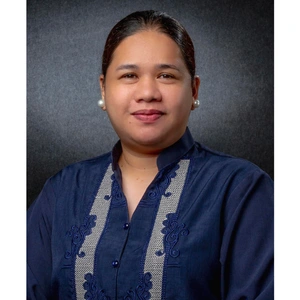
Visayas State University Tolosa, Philippines
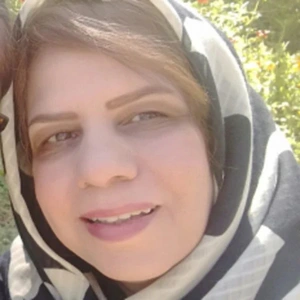
Iran Shrimp Research Center, Iran
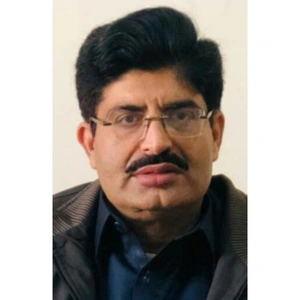
Gomal University, Pakistan
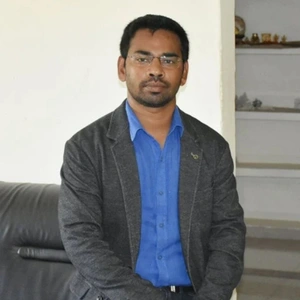
ICAR-Central Institute of Freshwater Aquaculture, India

Phetchaburi Rajabhat University, Thailand
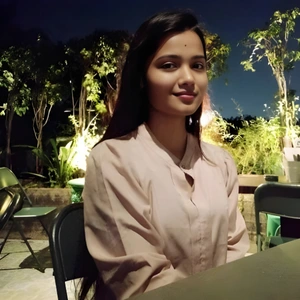
Curtin University Malaysia, Malaysia
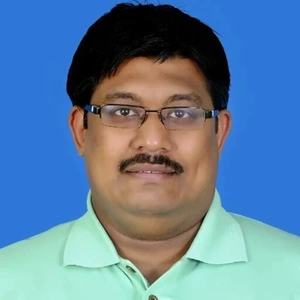
Karpagam Academy of Higher Education, India
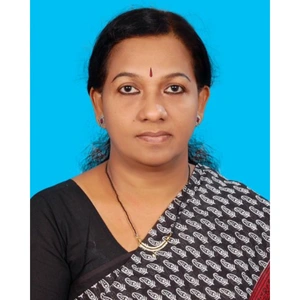
Kannur University, India

University of Rajshahi, Bangladesh

RUDN University, Russian Federation

Nelson Mandela University, South Africa
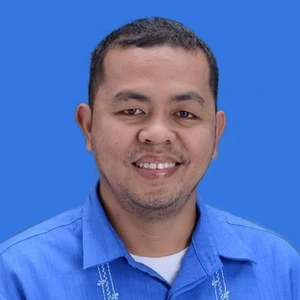
Visayas State University, Philippines
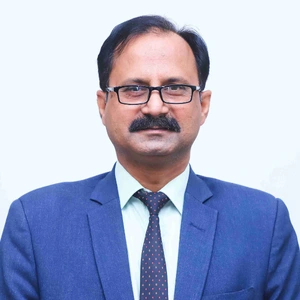
Khwaja Fareed University of Engineering & Information Technology Rahim Yar Khan, Pakistan

Central Luzon State University, Philippines

Comsats University Islamabad, Pakistan
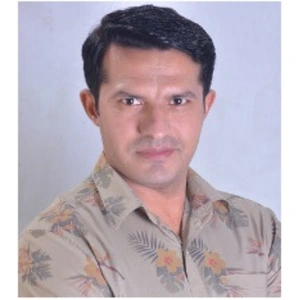
Pir Mehr Ali Shah Arid Agriculture University Rawalpindi, Pakistan
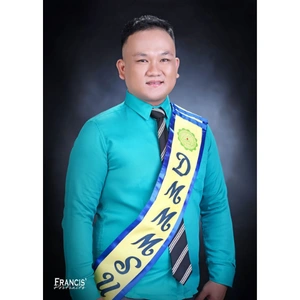
Program Chair, MFT/ DFT, ISUFST -CFAS, Fish Processing Department, Philippines
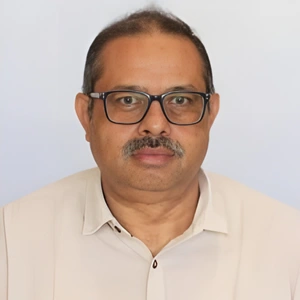
Division of Fish Nutrition, Biochemistry & Physiology, ICAR- Central Institute of Fisheries Education, Ministry of Agriculture and Farmers Welfare, Government of India
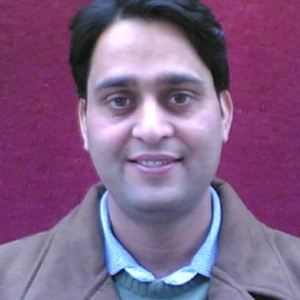
Associate Professor and Head, Division of Fish Nutrition and Biochemistry, Faculty of Fisheries, SKUAST-Kashmir, India

MGM Silver Jubilee College of Pharmacy, India
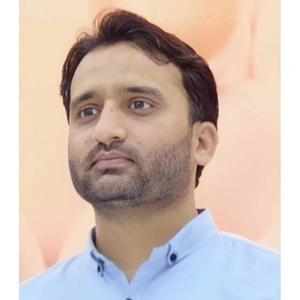
Assistant Professor, Government College University, Lahore, Pakistan
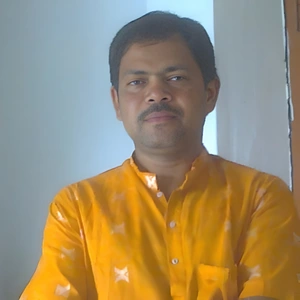
Department of Fishery Sciences (Aquaculture Management & Technology), Vidyasagar University, India
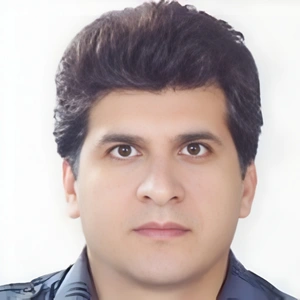
DVM, PhD, Aquaculture and Aquatic Animal Health Specialist, Head, Iranian Shrimp Research Center , Iran
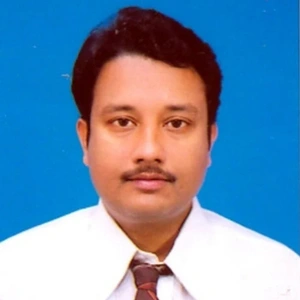
Department of Fishery Sciences, Vidyasagar University, India
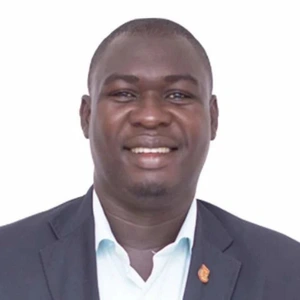
Agricultural Development and Extension, Department of Agricultural Science Education, Faculty of Science Education,University of Education, Winneba

Young Professional at Veternary College of Shimogga, India
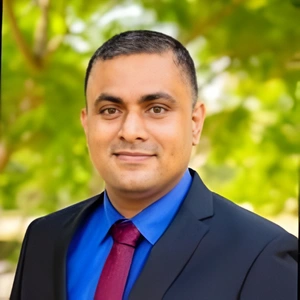
Wayamba University of Sri Lanka, Sri Lanka
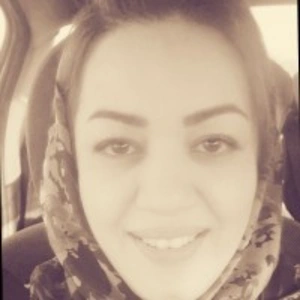
Shrimp Research Institute, Iranian Fisheries Research Institute, Iran

Biliran Province State University, Philippines

Curtin University Malaysia, Malaysia

Vitus Bering Kamchatka State University (KamGU Vitus Bering), Russia
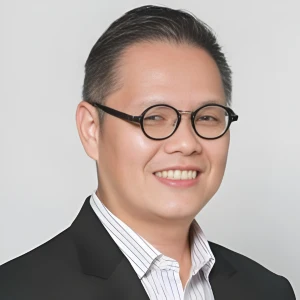
Bangkok University, Thailand
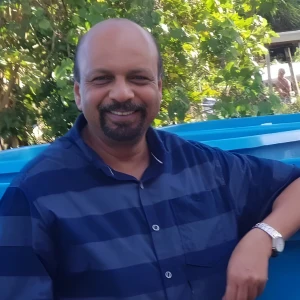
The University of the South Pacific, Fiji
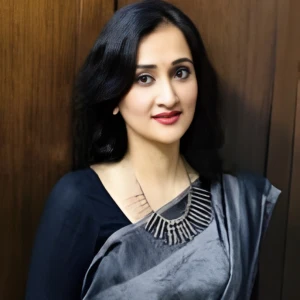
Bangladesh Open University, Bangladesh
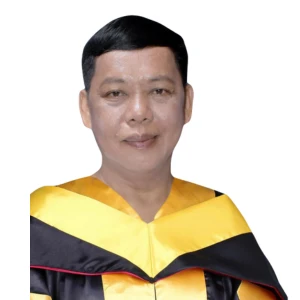
Ilocos Sur Polytechnic State College - Narvacan Campus, Philippines
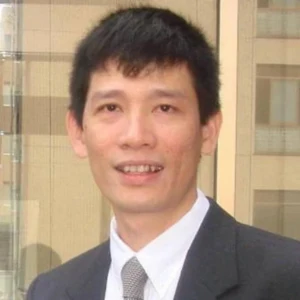
Nha Trang University, Viet Nam
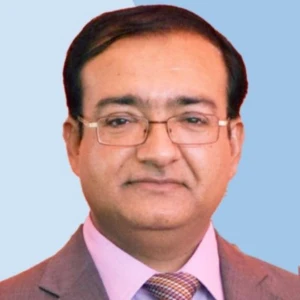
UVAS, Pakistan
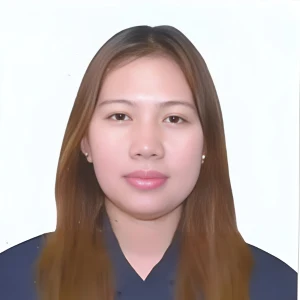
Marinduque State University, Philippines

Nelson Mandela University, South Africa
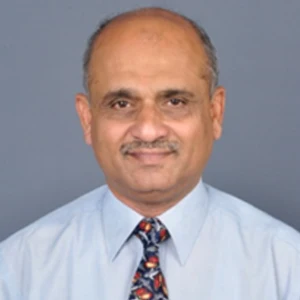
Ornamental Fisheries Training and Research Institute, India
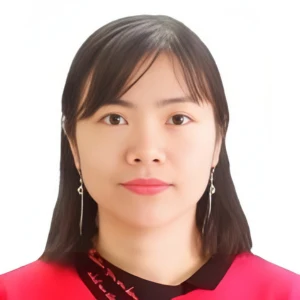
Curtin University, Australia
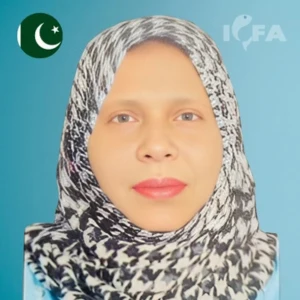
Govt. Graduate College of Science, Pakistan

University of Antique Hamtic Campus, Philippines
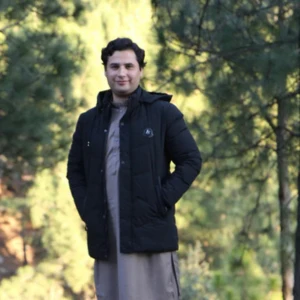
University of Swabi, Pakistan

Gombe State University, Nigeria

University of Ibadan, Nigeria