
This session will explore effective strategies for achieving successful academic publications. Understanding the nuances of the publication process is essential for anyone looking to improve their chances of getting published.
The session will cover key topics including:
The session will conclude with an interactive Q&A, allowing participants to ask questions and receive expert advice tailored to their publication goals. This is an excellent opportunity for researchers and academics to gain valuable insights that can help them succeed in their academic publishing journey.
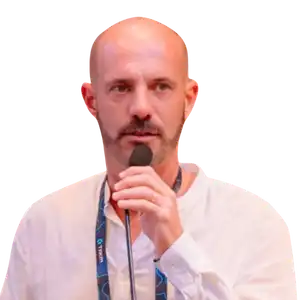
Lead – Publication
Professor of Aquaculture
Università Politecnica delle Marche, Ancona, Italy
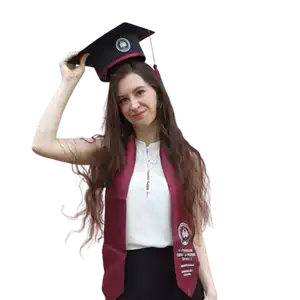
Journal Relationship Specialist – MDPI Animals Journal

Senior Lecturer, Department of Aquaculture and Fisheries, Faculty of Livestock Fisheries and Nutrition, Wayamba University of Sri Lanka, Sri Lanka
Dr. Suchima Gonapinuwala is a Senior Lecturer in the Department of Aquaculture and Fisheries at Wayamba University of Sri Lanka, where she has been a faculty member since 2017. She holds a PhD in Food Technology from Massey University, New Zealand, focusing on fish collagen processing, and a MSc in Analytical Chemistry from the University of Peradeniya, Sri Lanka. With a background in Food Science and Nutrition, Dr. Gonapinuwala’s academic journey includes significant research in aquaculture, fisheries, and the valorization of marine byproducts.
Her professional work spans a variety of academic and research roles, including as a Scientific Officer at the National Science Foundation in Sri Lanka and a lecturer at the University of Ruhuna. Dr. Gonapinuwala is also a recognized researcher, winning awards for outstanding contributions to scientific research and publishing extensively in journals focused on marine and fisheries science.
She is actively involved in several professional societies, such as the Sri Lanka Association for Fisheries & Aquatic Resources (SLAFAR) and the New Zealand Institute of Food Science and Technology (NZIFST), and serves as an Associate Editor for the Sri Lanka Journal of Aquatic Sciences. Dr. Gonapinuwala’s work includes the development of sustainable, bio-based products from marine resources, and she is committed to improving aquaculture and food production systems through innovative, environmentally-friendly technologies.
Her recent research focuses on the extraction of valuable bioactive compounds from fish and shrimp waste, contributing to the circular economy by converting marine byproducts into useful materials for various industries.
Topic Overview:
The workshop “Creating Effective Illustrative Materials: Tables, Graphs, Photographs, and Maps” focuses on the importance of visual aids in research and communication. It provides participants with the knowledge and skills needed to create compelling and informative illustrations that enhance the clarity and impact of data presentation. The session will cover best practices for designing and utilizing tables, graphs, photographs, and maps in research papers, presentations, and reports. Emphasizing clarity, accuracy, and accessibility, this workshop will help participants effectively convey complex information to a broad audience, ensuring their work is both visually appealing and informative.
Key Takeaways:
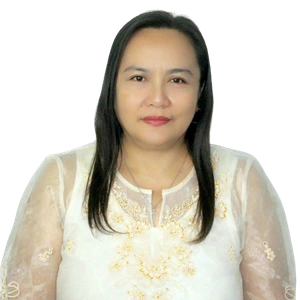
Associate Professor at Iloilo State
University of Fisheries Science and Technology (ISUFST), Iloilo, Philippines.
Dr. Marjorie Alojado Villanueva is a distinguished fisheries expert from Philippines, holding credentials as Registered Fisheries Professional and Doctor of Fisheries Technology and extensive experience in aquaculture, fisheries management, and research. She has a strong academic background with multiple degrees. She currently serves as Associate Professor at Iloilo State University of Fisheries Science and Technology (ISUFST), Iloilo, Philippines.
Dr. Villanueva earned her Doctor of Fisheries Technology from ISUFST (High Distinction). She holds a Master of Fisheries Science from Pukyong National University (PKNU) in South Korea as Korea International Cooperation Agency (KOICA) Scholar and Master of Science in Aquaculture (MS) at Pangasinan State University as a recipient of an Expanded Human Resource Development Program (EHRDP) a Scholarship Program under the Department of Agriculture-Agricultural Training Institute (DA-ATI). She finished her baccalaureate degree at Iloilo State College of Fisheries (now ISUFST) with a degree of Bachelor of Science in Fisheries (BSF) major in Aquaculture (Cum Laude) and a recipient of the Department of Science and Technology-Science Education Institute (DOST-SEI) Undergraduate Scholarship Program.
Licensure: Licensed Fisheries Professional (Topnotcher -7 th Placer), Licensed Scuba Diver, and holds a National Certificate II in Aquaculture, among others.
Experience: Associate Professor at College of Fisheries and Aquatic Sciences-Iloilo State University of Fisheries Science and Technology, Assistant Professor/Chairperson at the College of Fisheries and Allied Sciences of the at Northern Iloilo State University, teaching various fisheries- related subjects. Previously, she served as an Agricultural Technologist at the City Agriculture Office in Dagupan City for over 14 years, handling various responsibilities, including heading the Fisheries Section and managing river rehabilitation programs.
Research: Extensive research experience with publications in Scopus-indexed journals and presentations at international conferences and served as Research Technical Evaluator and Reviewer. Research interests include fisheries, aquaculture, microbiology, biotechnology, fish health management, and resource assessment.
Trainings: Numerous professional trainings in areas such as biotechnology, aquaculture, fisheries management, and sustainable livelihood.
Topic Overview:
The session “Navigating Research Publication in Sustainable Fisheries and Aquaculture” delves into the essential aspects of conducting and publishing research in the fields of sustainable fisheries and aquaculture. It focuses on the significance of publishing research that contributes to the ongoing development of sustainable practices in these industries, with an emphasis on ecological balance, economic viability, and social responsibility. Participants will explore strategies for selecting appropriate journals, writing impactful manuscripts, and understanding the peer-review process within the context of sustainability. Additionally, the session addresses emerging trends, interdisciplinary approaches, and the role of innovation in shaping the future of fisheries and aquaculture research.
Key Takeaways:
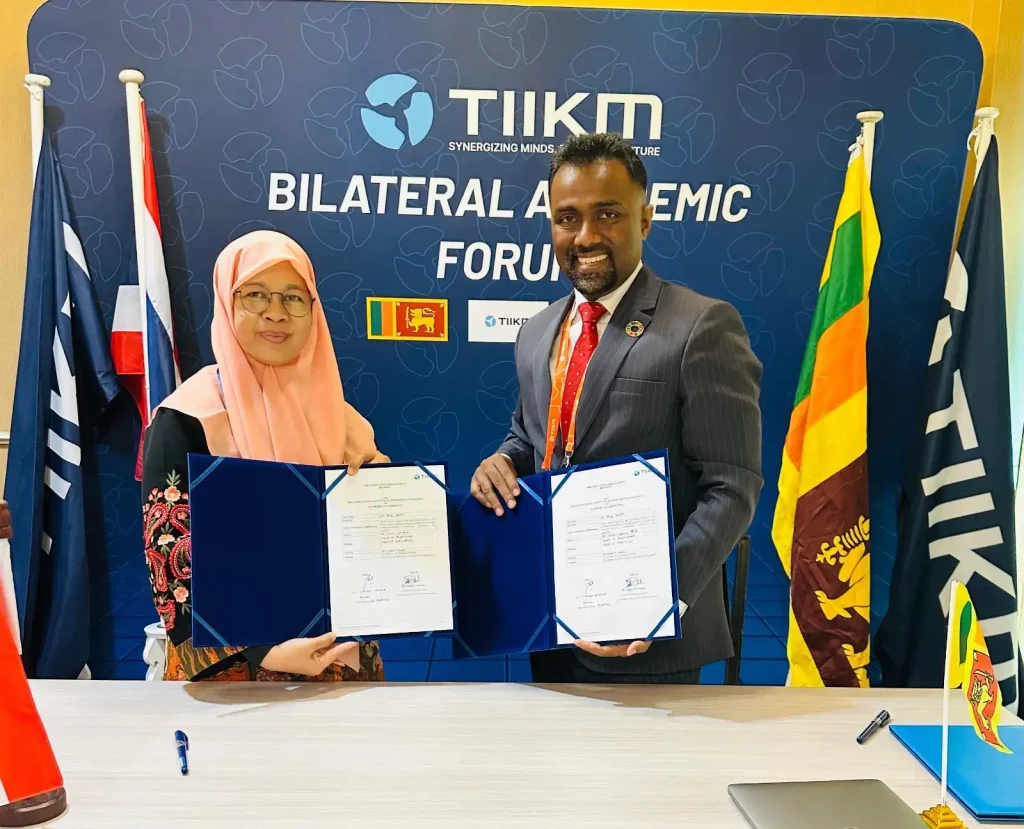
The Bilateral Forum is a dedicated special Segment at this Aquaculture Conference 2026 (ICFA 2026) designed to foster strategic collaborations among academics, policymakers, industry professionals, institutions and TIIKM. This forum provides a structured platform for one-to-one and small-group discussions, enabling participants to explore joint research, institutional partnerships, policy dialogue, and innovation opportunities in nutrition and health. The sessions aim to generate practical outcomes such as MoUs, collaborative projects, and long-term international partnerships.
Objective
To provide a structured and inclusive networking space that enables participants to connect for research collaboration, institutional partnerships, joint publications, and global health initiatives, in alignment with ICFA’s thematic focus and Global South perspectives.
Group 1: Research Collaboration
Group 2: Institutional & Policy Partnerships
Group 3: Publications, Grants & Global Health Initiatives
This workshop is designed to provide personalized guidance for researchers. The program includes an introductory session on the special issue and journal requirements, followed by small-group discussions and one-to-one (O2O) meetings.
Participants will receive tailored advice on refining their abstracts, aligning their research with the journal’s scope, and preparing their manuscripts for submission. Registered participants will be organized into small groups based on their research themes, ensuring focused and relevant discussions. Students and delegates will meet separately to allow for topic-specific support. Each participant will have an opportunity to speak directly with the Editor-in-Chief during their allocated session. Attendance at these sessions is optional but highly recommended for those seeking publication support.
Discover the distinguished speakers who will present throughout the conference.
Check the call for papers and submit your research for consideration.
Learn about registration fees, benefits, and how to secure your spot.
Explore the conference venue and travel details to plan your visit.
See important dates and deadlines you should know about ICFA 2026.
Find information about the scholarship program of ICFA 2026 that may support you.