
From 2014 to 2025, the International Fisheries conference series, hosted in Sri Lanka, Thailand, Vietnam, and Indonesia, has made significant contributions to the global advancement of fisheries science, aquaculture innovation, aquatic biodiversity conservation, and sustainable blue economy development. By bringing together researchers, policymakers, industry leaders, and practitioners, ICFA has consistently bridged the gap between scientific research, policy formulation, and real-world application.
The International Conference on Fisheries and Aquaculture (ICFA) 2026 provides a dynamic and inclusive platform for academics, practitioners, policymakers, conservationists, and industry stakeholders to exchange knowledge, share best practices, and co-create solutions that strengthen the sustainability and resilience of marine and freshwater ecosystems.
Building on the success of previous editions, Fisheries Conference 2026 seeks to enhance dialogue between the Global South and Global North, bridge the divide between research and practice, and promote inclusive, science-based, and policy-relevant strategies that address critical challenges such as climate change impacts, overfishing, habitat degradation, food security, and biodiversity loss.
The International Conference on Fisheries and Aquaculture 2026 theme reflects ICFA’s commitment to innovative aquaculture systems, responsible fisheries management, ecosystem-based approaches, and blue economy development, empowering stakeholders to collaboratively chart sustainable pathways for the future of aquatic resources and coastal communities.
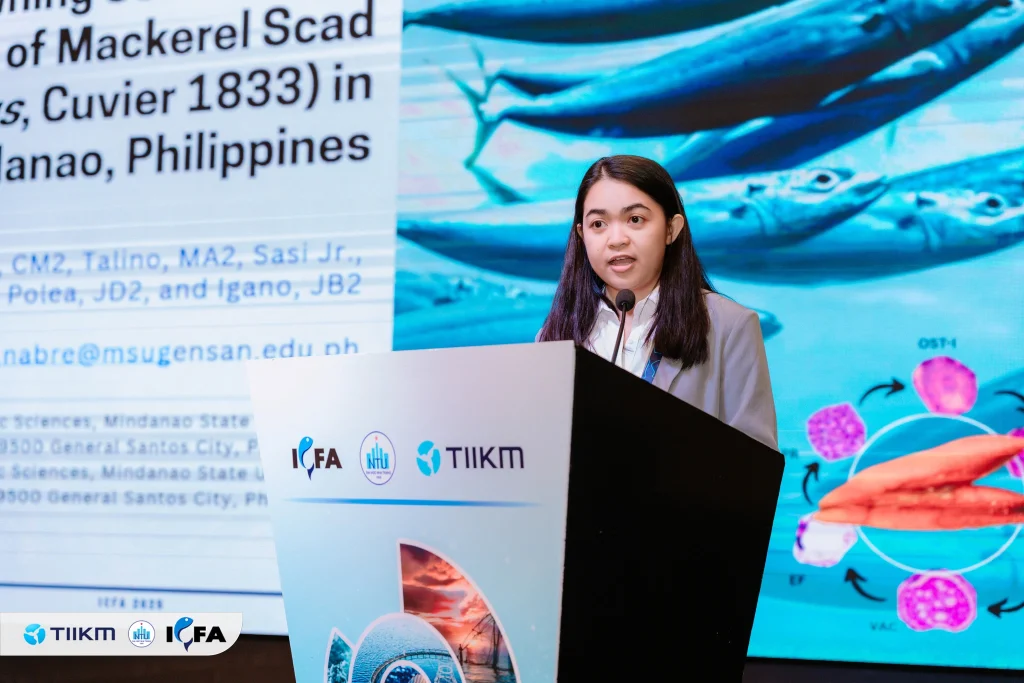
Aquatic food systems play a critical role in global food security, livelihoods, and economic development, particularly in coastal and rural communities. Over the past three decades, aquaculture and fisheries have expanded rapidly to meet growing food demands. However, this growth has also intensified pressures on aquatic ecosystems, biodiversity, and natural resources, compounded further by climate change, pollution, and overexploitation.
Against this backdrop, there is an urgent need for integrated, science-based, and inclusive approaches that balance productivity with environmental sustainability and social equity. The 13th International Conference on Fisheries and Aquaculture (ICFA 2026) provides a global platform to reflect on lessons learned over the past 30 years, examine current challenges, and chart forward-looking pathways for sustainable aquaculture, responsible fisheries, and biodiversity conservation.
The specific objectives of International Conference on Fisheries and Aquacultuer 2026 are to:
This pillar focuses on the protection and restoration of aquatic biodiversity and ecosystems in the face of climate change, overexploitation, and environmental degradation. Discussions may include marine and freshwater biodiversity conservation, ecosystem-based management approaches, climate-resilient aquatic systems, habitat restoration, and the role of policy and governance in biodiversity protection. The pillar also encourages dialogue on balancing conservation priorities with food security and livelihoods, highlighting innovative practices and nature-positive solutions. Aligned with SDG 14 (Life Below Water), SDG 13 (Climate Action), and SDG 15 (Life on Land), this pillar focuses on protecting aquatic ecosystems, restoring habitats, and strengthening climate-resilient conservation strategies while supporting sustainable livelihoods.
Sub-Themes
This pillar focuses on advancing sustainable aquaculture, with a special emphasis on inshore and small-to-medium-scale fish farming systems. Discussions will cover low-impact and climate-resilient aquaculture technologies, integrated and circular farming systems, feed innovation, biosecurity, disease management, and the socioeconomic dimensions of aquaculture. The sessions aim to highlight how technological innovation, local knowledge, and inclusive practices can increase productivity while minimizing environmental footprints and supporting coastal and rural communities. In alignment with SDG 2 (Zero Hunger), SDG 12 (Responsible Consumption and Production), and SDG 8 (Decent Work and Economic Growth), this pillar emphasizes strategies that strengthen food security, foster environmentally responsible production, and promote equitable economic opportunities in the aquaculture sector.
Sub-Themes
This pillar addresses the sustainability of capturing fisheries through responsible management, science-based decision-making, and effective governance frameworks. Topics may include stock assessment and management, illegal, unreported and unregulated (IUU) fishing, fisheries co-management, value chains, and the role of regional and international cooperation. The pillar also looks toward the future of fisheries within global food systems, considering technological advancements, policy reforms, and strategies to ensure long-term fish stock sustainability alongside economic and social resilience. Aligned with SDG 14 (Life Below Water) and SDG 16 (Peace, Justice and Strong Institutions), this pillar emphasizes responsible fisheries management, effective governance, regional cooperation, and policy frameworks that ensure long-term sustainability of fish stocks and equitable access to resources.
Sub-Themes
To facilitate the submission process and the subsequent follow-up process, please consider the following guidelines, information, tips, terms, and deadlines mentioned related to the International Conference on Fisheries and Aquaculture 2026.
|
|
You are cordially invited to submit your abstract on or before the deadline in accordance with the abstract guidelines provided. The conference offers a variety of registration packages, each replete with numerous benefits. Furthermore, you have the flexibility to choose your preferred presentation mode. Notably, presentation awards constitute a pivotal aspect of the conference. A distinguished panel of academic experts will evaluate conference presenters during the conference, and the most outstanding presenters will be honored at the awards ceremony.