
Fisheries and aquaculture conferences play a vital role in advancing aquatic resource management, food security, and marine conservation. These events bring together marine biologists, commercial fishers, aquatic scientists, and policymakers to discuss emerging challenges in the blue economy and share sustainable solutions.
If you are new to the world of aquatic research, you may have many questions about how these professional gatherings work and why they are essential for the industry. This article answers some of the most common questions about fisheries and aquaculture conferences.

A fisheries and aquaculture conference is a specialized academic and professional event where experts gather to present research findings, exchange technical knowledge, and discuss issues related to aquatic life and seafood production. These conferences typically include scientific sessions, keynote speeches from industry leaders, panel discussions on policy, and networking opportunities. They provide a global platform for experts to collaborate on modernizing fish farming and protecting natural water bodies.
These conferences are essential because they allow researchers to share breakthroughs in breeding, nutrition, and disease control, ensuring the industry stays updated on the latest technological developments.
They also enable experts from different geographical regions to work together on transboundary issues such as overfishing, climate change impacts on oceans, and sustainable aquaculture practices. By attending, participants can learn about new automation tools, bio-floc technology, and international trade regulations.
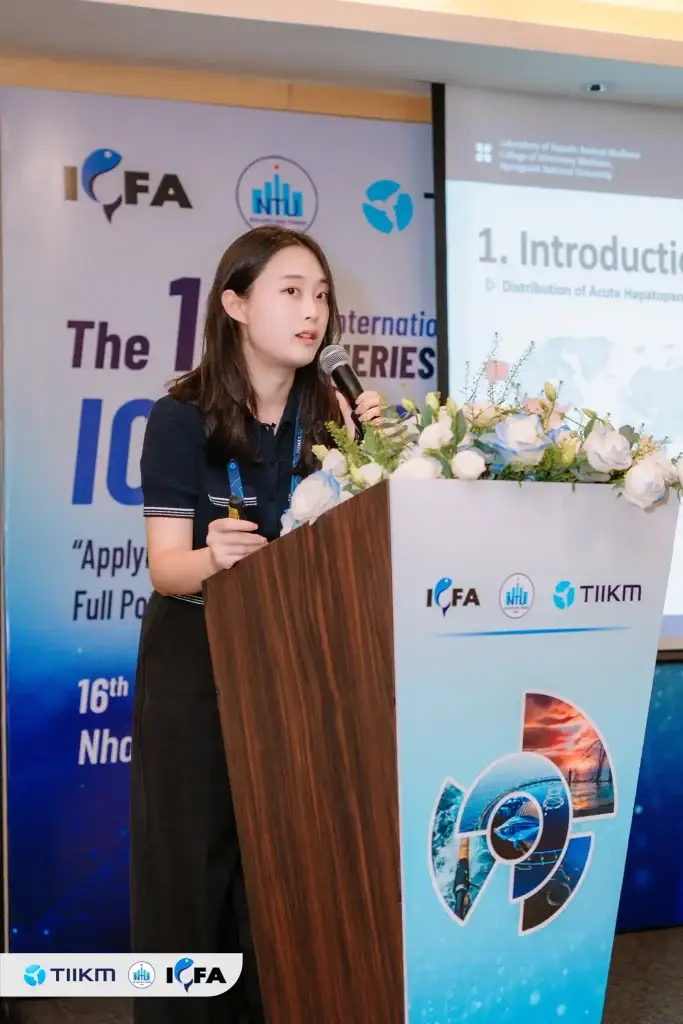
These events are open to a diverse range of stakeholders, including:
This diversity of participants ensures that discussions cover everything from laboratory research to practical field applications.
In the context of aquatic research, a conference abstract is a concise summary of a study—such as a trial on a new fish feed or a survey of coral reef health—that is submitted for peer review before the event.
It usually includes the research objective, the specific species or environment studied, the methodology used, and the key results. These abstracts help the scientific committee ensure that the most relevant and high-quality data is presented to the community.
Once your abstract is accepted, you are invited to share your findings with the delegation. Presentations generally take two forms:
Both formats are excellent for receiving expert critiques that can help improve the study before it is submitted to a major journal.
Sharing your work at an international meeting offers several advantages:
For students and junior scientists, these conferences serve as a gateway to the professional world. They provide a safe space to practice communication skills, find potential PhD supervisors or mentors, and discover career paths in both academia and the private sector.
If you are a researcher or professional dedicated to the future of Fisheries, Aquaculture or Biodiversity, participating in an international summit is an invaluable step for your career. These platforms allow you to contribute to the global dialogue on Fisheries, Aquaculture or Biodiversity.
You can explore opportunities to submit your research and join leading experts at the upcoming 13th International Conference on Fisheries and Aquaculture (ICFA 2026), taking place on the 29th and 30th of September 2026 in the coastal city of Miri, Sarawak, Malaysia. This is your chance to engage with the theme of ” Blue Horizons: Charting the Future of Sustainable Aquaculture, Fisheries and Biodiversity ” in a region known for its rich aquatic biodiversity.
The paper submission streams are under three main pillars.
You can get the sub-themes under each pillar and submit your abstract to the 13th International Conference on Fisheries and Aquaculture 2026 and get your abstract reviewed and upon acceptance send for technical presentations and present your research findings to a Global Audience.
Share this post: